

 See My Latest Article on HelloNation

Preparing a home for sale does not require expensive furniture, major renovations, or a complete redesign. In Elgin, OK, effective staging is usually about making the home feel clean, comfortable, bright, and easy for a buyer to imagine living in.
Staging is not the same as decorating. Decorating reflects personal taste, while staging reduces distractions and highlights the home’s useful features. The goal is to present the property in a well-maintained, welcoming condition without spending more than necessary.
What should be done first when staging a home on a budget?
The first step is to remove excess belongings. A tidy home often appears larger, easier to maintain, and more functional without any new furnishings.
Begin with a room-by-room review. Look for items that make spaces feel crowded or overly personal, such as:
- Extra furniture that blocks walkways
- Collections and decorations covering shelves
- Seasonal items that are not currently needed
- Excess kitchen appliances on counters
- Clothing packed tightly into closets
- Family photographs and highly personal displays
A useful guideline is to remove enough from each room that surfaces and pathways look intentional. This does not mean making the home empty. A few appropriately sized furnishings can help buyers understand how a room may be used.
Stored belongings should not simply be moved from living areas into closets, garages, or storage rooms. Buyers often look inside these areas, so organized storage contributes to the overall impression of the property.
How can cleaning improve the appearance of a home?
Thorough cleaning is one of the least expensive ways to improve presentation. Clean surfaces reflect more light and help buyers focus on the home instead of on maintenance concerns.
Prioritize areas that are easy to overlook:
- Baseboards and door trim
- Ceiling fans and light fixtures
- Window glass and screens
- Cabinet fronts and hardware
- Appliance surfaces
- Bathroom grout and shower doors
- Air vents and return grilles
- Floors beneath furniture
Kitchen and bathroom cleanliness deserves special attention because these rooms can strongly influence a buyer’s impression. Remove items from counters except for a few practical or neutral pieces. In bathrooms, use fresh towels, clear the vanity, and keep toiletries out of sight during showings.
Homes in this part of Oklahoma may also collect dust, pollen, and dirt during windy or dry conditions. Regular vacuuming, damp dusting, and cleaning entry areas can help the home look cared for throughout the showing period.
Which repairs are worth making before listing?
Budget staging should focus on small repairs that remove visible distractions rather than costly improvements with uncertain returns.
Consider addressing:
- Loose cabinet handles
- Squeaky or sticking doors
- Burned-out light bulbs
- Dripping faucets
- Damaged switch plates
- Small nail holes
- Peeling caulk
- Torn screens
- Worn weatherstripping
- Loose handrails
A room with several minor defects can appear neglected even when the problems are inexpensive to fix. Neutral touch-up paint may be useful where walls have scuffs or marks, but repainting every room is not always necessary.
Avoid spending heavily on improvements simply because they are popular. A new countertop, dramatic flooring change, or large landscaping project may not be justified if the existing condition is serviceable. Staging should support the home’s current strengths, not create a remodeling project.
How should furniture be arranged to make rooms look larger?
Furniture placement affects how buyers understand the home’s layout. Arrange pieces to create clear walking paths and show the purpose of each room.
In living areas, keep seating grouped in a way that suggests conversation rather than pushing every piece against the wall. In bedrooms, leave enough space around the bed to make the room feel accessible. If a room has too much furniture, temporarily remove the largest or least useful piece.
Avoid blocking windows, doors, heating and cooling vents, or natural traffic routes. A small room may benefit from fewer furnishings, while a large room may need enough furniture to prevent it from feeling empty or difficult to use.
If furniture must be stored off-site, keep the arrangement practical and safe. Overloaded garages, blocked exits, or unstable stacks can create safety concerns and make storage space appear smaller.
What colors and decorations work best?
Neutral, simple surroundings generally make it easier for buyers to notice the home’s size, light, and condition. This does not require repainting the entire property in white.
Soft beige, warm gray, muted green, and other restrained tones can work well when they complement existing finishes. Strong colors may remain if they are limited to one wall or a room that feels intentional and well maintained.
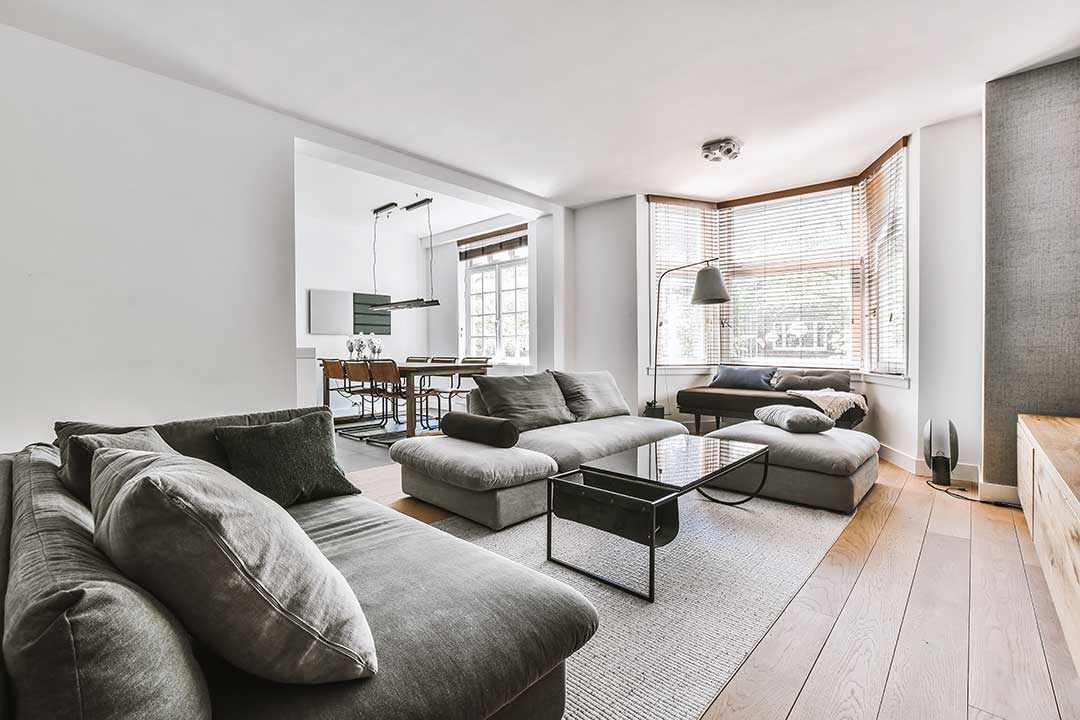
Decorations should add structure without overwhelming the space. A few useful choices include:
- A simple piece of art over a large blank wall
- A mirror placed where it can reflect light
- Fresh or neatly arranged towels
- A modest centerpiece on a dining table
- A small amount of greenery
- Coordinated bedding in a bedroom
Avoid filling every corner. Too many decorations can make rooms look smaller and make cleaning more difficult.
How can lighting improve a showing?
Good lighting helps rooms look more open and allows buyers to see surfaces clearly. Open blinds and curtains before a showing when privacy and conditions allow. Clean windows can also make a noticeable difference.
Use matching or compatible lightbulb colors within the same room whenever possible. Mixed yellow and blue-white lighting can make a space feel uneven. Replace bulbs that are dim, flickering, or burned out, and use the appropriate brightness for each fixture.
Turn on lights in darker rooms, hallways, closets, and bathrooms before visitors arrive. Exterior lighting can also help buyers understand walkways, entrances, and outdoor areas during evening appointments.
What outdoor improvements are affordable?
The front entry creates the first impression, but improving it does not require elaborate landscaping. Sweep the porch or entry path, remove cobwebs, clean the door, and make sure the house numbers are visible.
Trim overgrown plants, remove dead branches, and keep grass or groundcover reasonably maintained. In a community with changing weather and seasonal outdoor maintenance, neatness matters more than costly plantings.
Backyard areas should be presented according to their practical use. Clear unnecessary items, organize tools, and make patios or gathering areas easy to understand. If outdoor furniture is weathered or damaged, removing it may be better than displaying it.
What should homeowners avoid when staging?
Several common staging choices can waste money or create problems.
Avoid:
- Renting expensive furniture for a home that is already adequately furnished
- Hiding damage instead of correcting or disclosing it
- Using strong fragrances to cover odors
- Overloading rooms with decorations
- Making rooms look artificially formal
- Installing trendy improvements that do not fit the home
- Leaving pet items, litter, or feeding supplies visible during showings
- Neglecting garages, closets, porches, or utility areas
Fresh air and cleanliness are preferable to heavy air fresheners. Strong scents may raise questions about moisture, pets, smoke, or other odors even when no serious problem exists.
How much should be spent on staging?
A reasonable budget depends on the home’s condition, but many improvements can be completed with cleaning supplies, storage containers, basic hardware, and items already owned. Spending should be directed toward visible issues that affect cleanliness, safety, space, or first impressions.
Before buying anything, walk through the home as if seeing it for the first time. Take notes on clutter, lighting, odors, unfinished repairs, and rooms that are difficult to understand. A second review from someone unfamiliar with the property can also reveal distractions that residents have stopped noticing.
The most effective low-cost presentation usually comes from editing rather than adding: fewer belongings, clearer surfaces, brighter rooms, repaired small defects, and outdoor areas that look orderly and usable.